

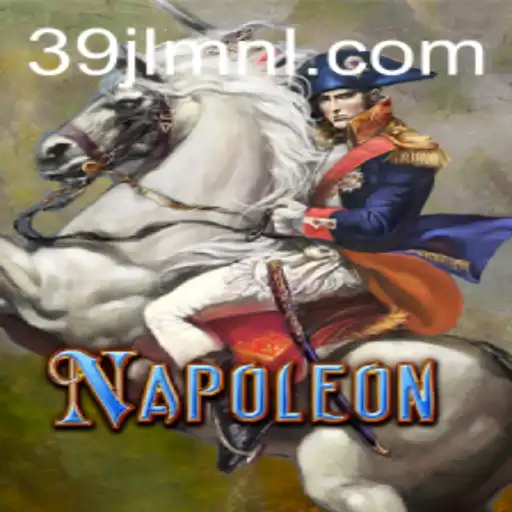

Amid the vast galaxy of card games that have captivated generations, Napoleon stands out with its rich strategic depth and historical allure. Named after the iconic French military leader, it encapsulates themes of strategy, risk, and calculated decision-making. Though not as universally known as poker or bridge, it holds a special place for enthusiasts who appreciate a blend of planning and chance.
Emerging from the annals of 19th-century England, Napoleon is a trick-taking game believed to have drawn inspiration from various card games across Europe. Its nomenclature honors Napoleon Bonaparte, hinting at the game's strategic underpinnings and its allusions to battles of wit and wisdom. Over time, it evolved and spread across continents, adapting to regional variations and preferences.
Transitioning into the 21st century, Napoleon's enduring relevance is perhaps unexpected. However, in today's gaming landscape, where strategic card games have witnessed a resurgence, Napoleon has experienced a renaissance. Its resurgence is partly due to a growing appreciation for games that offer more than mere chance, demanding players engage their cognitive faculties.
The modern era has also provided fresh avenues for Napoleon's digital transformation. Online platforms now provide virtual halls where players across the globe compete in real-time, exploring strategies and honing their skills. This digital availability has increased accessibility, allowing new generations of players to discover and master its intricacies.
Napoleon is played with a standard 52-card deck, accommodating 3-7 players, with five being the ideal number for optimal strategic complexity. The primary objective is straightforward: the declarer, also known as 'Napoleon,' bids a number predicting how many tricks they believe they can secure. This bid sets the stage for the ensuing battle.
The game's strategic core lies in its bidding process. Each player assesses their hand and attempts to gauge the potential for securing tricks. The highest bidder becomes Napoleon, and they select a partner to assist in fulfilling their bid. However, this partnership is kept secret, adding a layer of mystery and anticipation.
The stakes are high, as failing to meet the bid can result in significant penalties. Conversely, successfully meeting or surpassing the bid results in rewards that underscore their strategic acumen.
With the bid established, Napoleon embarks on executing their strategy. The lead player initiates the first trick, with subsequent players following suit when able. Should a player be unable to follow suit, they have the option to play any card, creating opportunities for surprise tactics and turnarounds.
The game's dynamism derives from the interplay between the declarer and opponents. Players must not only play their cards but also keenly observe opponents' actions, deducing the identity of Napoleon's partner and attempting to thwart their efforts. This balance of offensive and defensive strategies contributes to the game's enduring appeal.
In recent times, the gaming community has witnessed a shift towards classic games, fueled by a desire for engagement beyond screen time and fleeting entertainment. Games like Napoleon are benefiting from a renewed interest in social interactions and cognitive challenges.
The rise of social platforms has further boosted Napoleon's reach. Online communities dedicated to classic games have brought together enthusiasts to share strategies, host virtual competitions, and create a vibrant ecosystem thriving on shared passion and camaraderie.
Beyond entertainment, playing Napoleon offers educational and cognitive benefits. The intricate strategies demanded by the game enhance players' analytical skills and decision-making capabilities. It promotes critical thinking as players navigate complex scenarios, anticipate opponents' moves, and adapt their strategies in real time.
This cognitive engagement has also attracted educators who recognize the potential for card games, including Napoleon, to serve as teaching tools. By integrating these games into educational curricula, instructors can stimulate students' problem-solving abilities in an enjoyable and interactive manner.
Napoleon's journey from its historical roots to its current standing in the gaming world is a testament to its enduring charm and intrinsic value. As contemporary society embraces nostalgia and cognitive stimulation, the strategic allure of Napoleon remains irresistibly compelling. It serves as a bridge, connecting past traditions to present-day innovations, ensuring its place in the ever-evolving tapestry of card games, and inviting players globally to take part in this timeless challenge.

Dive into the exciting world of CycleofLuckBonusBuy, a captivating game that challenges players while combining strategy and thrill.

Dive into the dynamic universe of StrikerWILD with an in-depth look at its gameplay, rules, and how it resonates with the current gaming trends.

Unveiling the latest hit in the gaming world, DoubleWilds, which has captivated audiences with its thrilling gameplay and dynamic rules.

Dive into the enchanting universe of 40SparklingCrown with our comprehensive guide on the game's introduction, captivating gameplay, and strategic rules.

Dive into the captivating journey of 'Flirting Scholar Tang', a fascinating game that combines historical narrative with engaging gameplay.
Explore the captivating world of JackpotJoker with our comprehensive guide detailing the game's unique features, rules, and its dynamic place in the current gaming landscape.
